

The Father Wound in Men: Signs, Impact, and How to Heal It for Good
The father wound isn’t just about losing your father…
It can come from a man who was physically present — but emotionally absent.
A father who was critical, distant, unpredictable, or unable to guide you into manhood.
At its core, the father wound is about what you didn’t receive:
Presence
Protection
Leadership
Affirmation
Love
And when those are missing, something forms inside you — a gap most men spend their lives trying to fill.
My Story: Growing Up Without a Father
I know this wound firsthand.
My father passed away when I was 7.
My mother never remarried. I had no older brothers. No male role models.
By my teenage years, I found myself pulled into street gangs.
Not out of rebellion — but out of longing.
These were the only men I saw embodying power and presence.
They weren’t the right models… but they filled the void.
By my twenties, I left that world behind.
But the wound didn’t leave me.
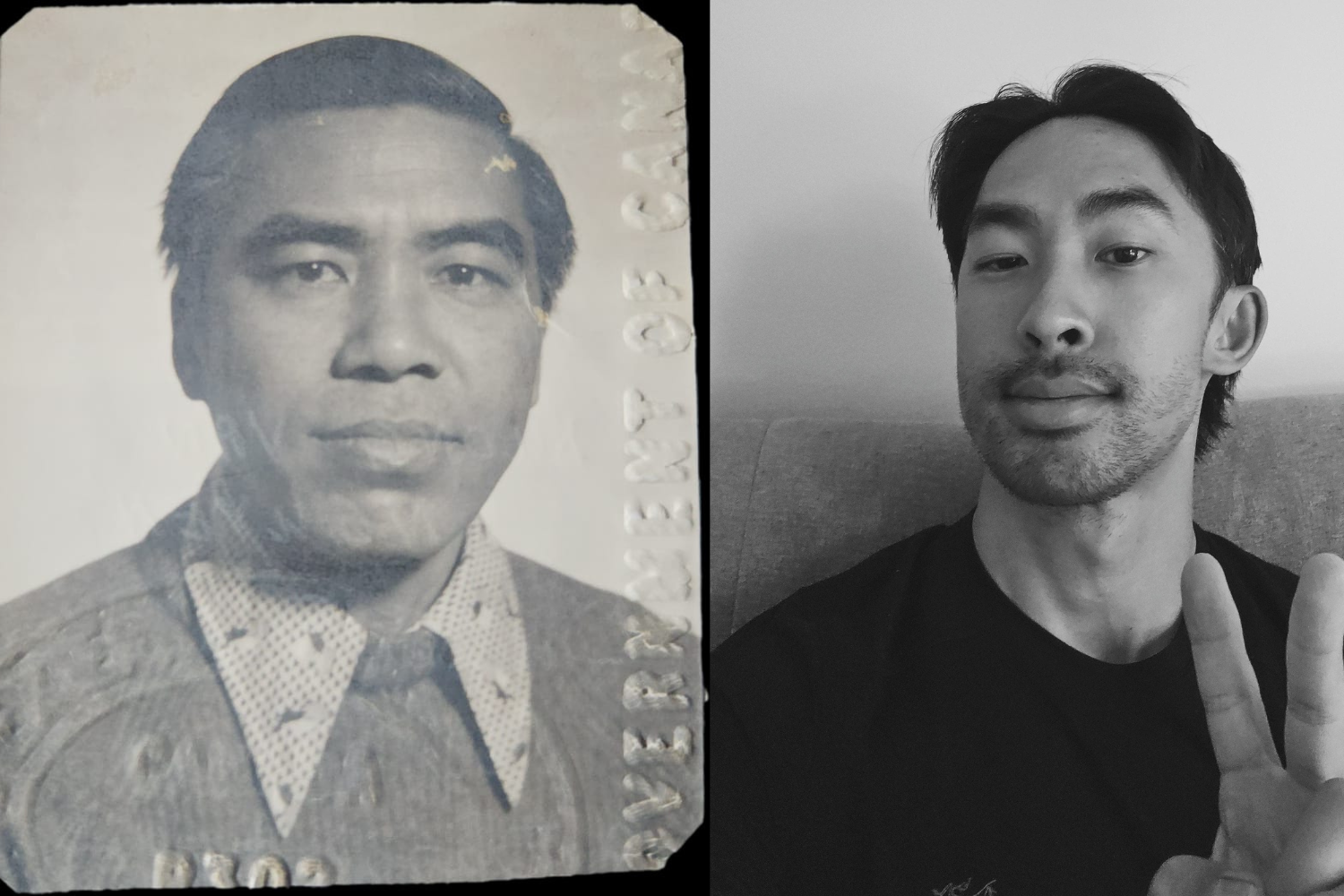
How the Father Wound Showed Up in My Life
I was still searching.
I looked for wholeness through women — chasing validation just to feel like a man.
And it wasn’t working.
It wasn’t until my second men’s retreat — and joining a men’s group in 2019 — that things started to shift.
That space didn’t just support me.
It exposed what I had been carrying.
I realized something I had never fully faced:
I was angry.
Not at my father for dying —
but for not preparing me…
for not saying goodbye.
The Truth Most Men Avoid
That grief runs deep.
And so does the anger.
But here’s what I’ve learned after years of doing this work:
You don’t become the man you’re meant to be by avoiding the pain.
You become him by facing it.
Especially the pain tied to your father.
Signs of an Unhealed Father Wound
Most men don’t even realize they’re carrying this.
Here’s how it often shows up:
Constant need for external validation
Fear of failure or authority
Difficulty trusting other men
Emotional shutdown, numbness, or rage
Over-reliance on women, success, money, or status for self-worth
If you felt something reading that — this work matters.
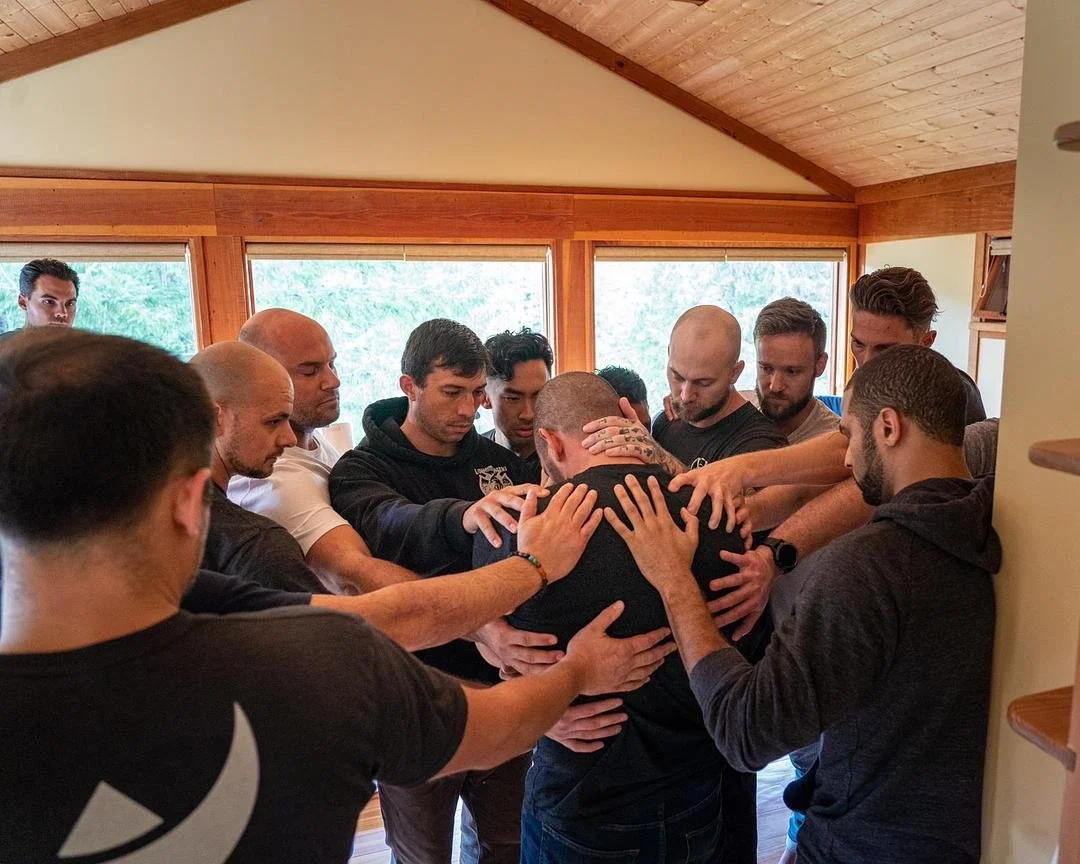
Why Healing the Father Wound Matters
In men’s development, you don’t step fully into leadership, purpose, or grounded masculinity without facing this.
You can build success.
You can look confident.
But underneath — something will always feel off.
Because the part of you that needed guidance… never received it.
Healing the father wound isn’t about blaming your father.
It’s about taking responsibility for your life now.
How to Start Healing the Father Wound
If you’re ready to face this, start here:
1. Get Honest About What Was Missing
Stop minimizing it.
What did you actually need that you didn’t get?
2. Name What You Feel
Anger. Grief. Confusion.
Most men skip this — and stay stuck because of it.
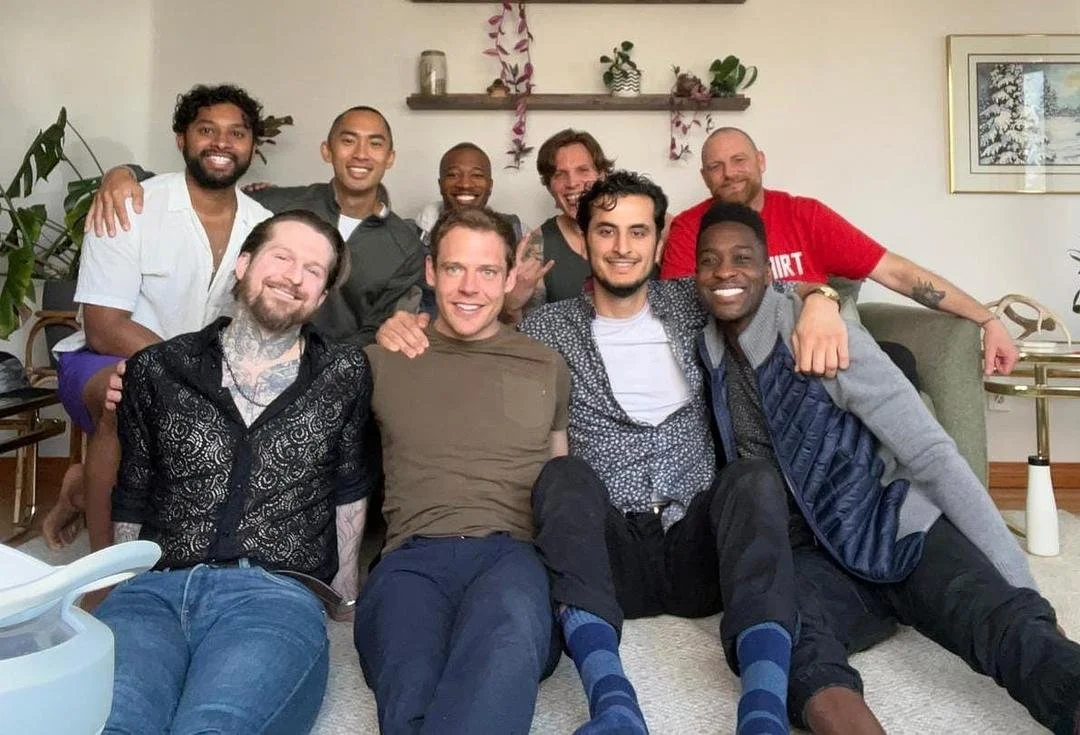
3. Step Into Brotherhood
You cannot heal this in isolation.
Men need other men.
Spaces where truth is spoken.
Where masks come off.
Where you’re seen and challenged.
4. Do the Work — Consistently
This isn’t a one-time realization.
It’s a process.
One that requires courage, repetition, and accountability.
My Turning Point
For me, healing came through years of sitting in men’s circles.
Doing deep “father work.”
Having conversations I never thought I’d have.
Even stepping into ceremonial work that allowed me to reconnect and reconcile on a deeper level.
That’s where things began to shift.
Your Invitation
If this stirred something in you, don’t ignore it.
Here’s where you can start:
Join a Roundtable men’s group and experience the “father share”
Come to the Kingship Retreat and do this work in person
Reach out directly if you need a place to start
You don’t have to figure this out alone.
Final Truth
Your father may not have shown you the way.
But that doesn’t mean you’re lost.
Men are meant to walk this path together.
And when they do — something powerful happens:
The cycle breaks.
And a new standard of man is created.